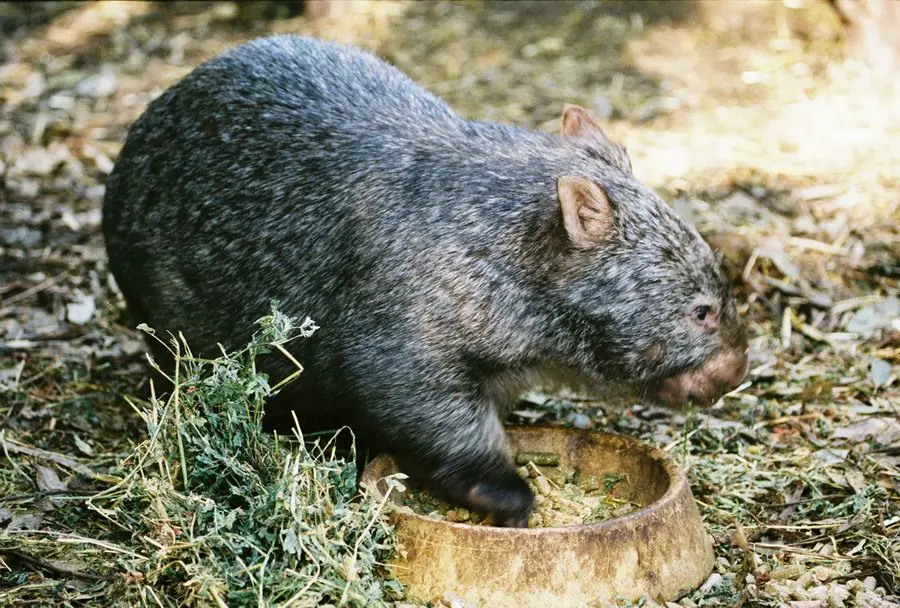
The Common Wombat (Vombatus ursinus) is a medium-sized and very skittish animal with a thick fur. Despite the fact that in appearance it seems like a cross between a badger and a small bear, the Wombat is a marsupial – that is, a mammal with a pouch in which to carry the young. Vombatus ursinus
Red necked Wallabies or Macropus Rufogriseus is a kind of kangaroo. It has very thick fur that is red on the neck and the back and they usually are 70-90 centimeters (2.3 – 3 ft) long and weigh about 20 kilos (44 lb). Fun fact: the Latin family name Macropodidae roughly translates to ‘that with
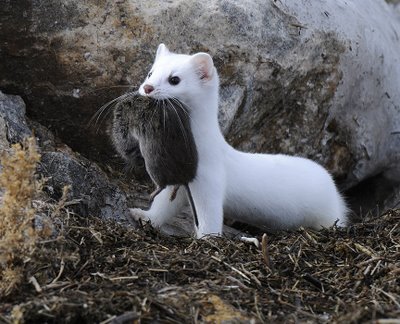
The Long-tailed Weasel is the most widespread mustelid in America. This small animal is sympathized by farmers, because the Weasel hunts on small rodents, thus protecting crop. Sometimes, though, misinformed farmers kill it, thinking that the animal is a threat to fowl, although in reality, Weasels don’t eat birds. These Weasels are medium-sized, reaching a
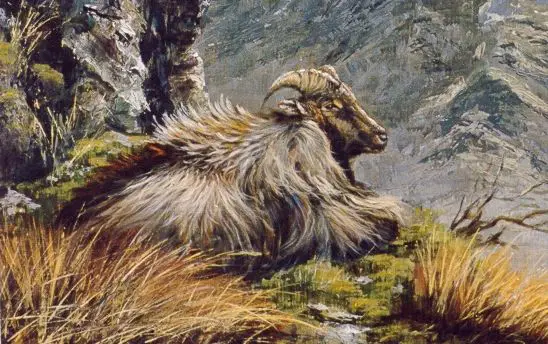
The Himalayan Tahr looks like a cross between a sheep and a goat. The steep hill-sides and edges of the abyss are no obstacles for this agile mountain animal. The history of these animals stretches back far into history, as wall paintings inside caves in France show that up to the last ice age the
The Patagonian Mara is a rather large species of rodent that lives in South America. The animal holds a close resemblance to a rabbit, having long, straight ears and slender paws. Unlike many other rodents, the Maras form constant pairs and these pairs sometimes stay together for their whole lives. A pair of Patagonian Maras
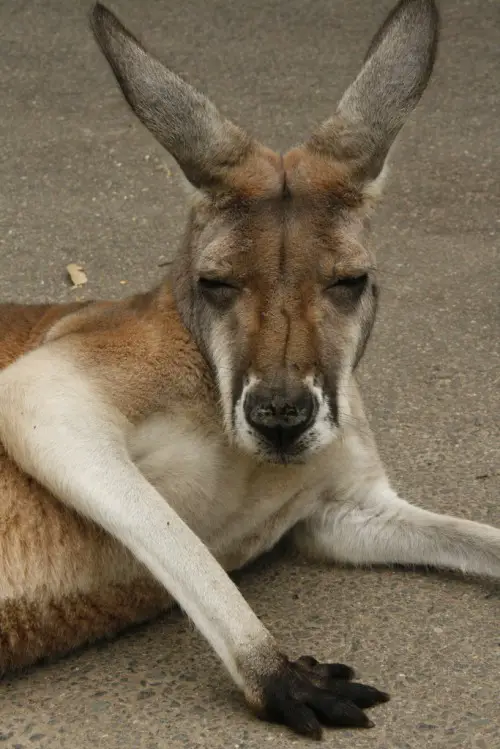
Native to Australia, the largest kangaroo is the red kangaroo. It is also the largest surviving marsupial on earth. It is found all across the mainland of Australia, except for the fertile areas in the south, the east coast, and the rainforests in the north. The red kangaroo The red kangaroo has short, red-brown fur
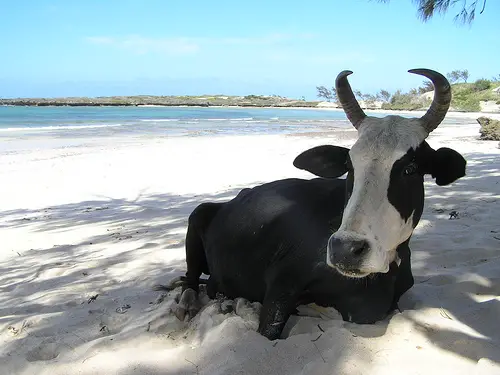
Also known as the humped cattle or indicus cattle, the zebu are a type of cattle from South Asia. There are 75 different breeds of zebus, and they have been split up into African and South Asian breeds. The main zebu breeds include the Gir, Guzerat, Krankej, and more. There is also a hybrid zebu
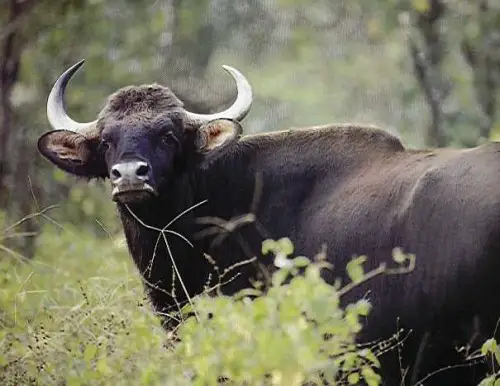
Also known as the seladang or the Indian Bison, the Gaur is a large bovine animal found in the forests of South Asia and South East Asia. However, the largest population of gaurs are in India. The gaur’s claim to fame is that it is the largest species of wild cattle, including the extinct Aurochs
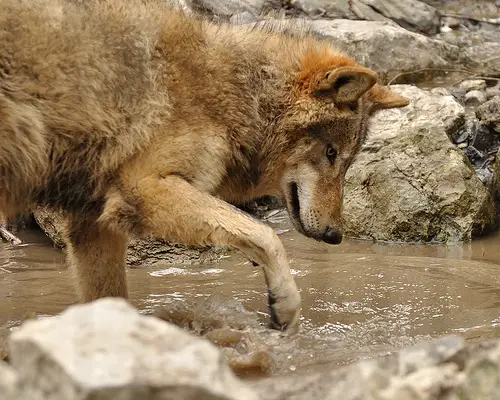
A sub-species of the grey wolf, the Tibetan Wolf (also known as the Woolly Wolf) is a native of Central Asia. They are found from Turkestan, Northern China, Tibet, Mongolia, the Western Himalayas, and Korea. In Tibet, the Tibetan Wolf is known as a Changu but in the Niti pass from Kumaon this animal is
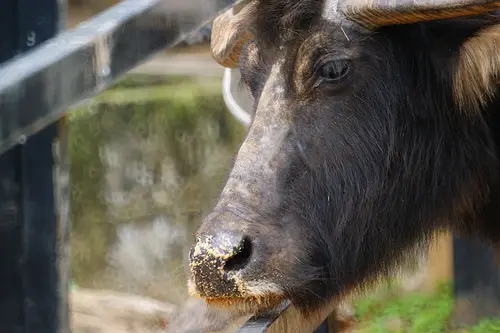
The Water Buffalo, also known as a domestic Asian Water Buffalo, is a huge bovine animal similar to a yak, bison, or African Buffalo. It is frequently bred as livestock in Southern Asia and South America, however it is estimated that about 97% of the world’s water buffalo population are in Asia. Get up close
Siberian Musk Deer males excrete musk from a special gland, which is located on their bellies. Musk is rich in hormones and is widely used in perfumery. Unfortunately, this is a reason why these small deers are widely hunted, as musk is very valuable – in 1972, in Nepal, musk was more expensive than gold.
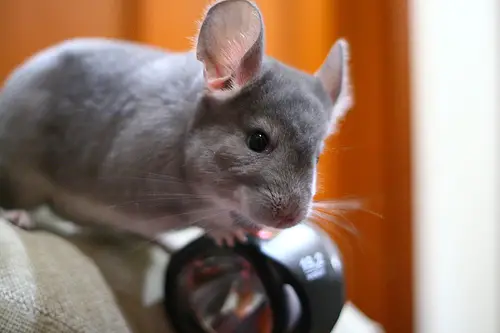
Chinchillas are crepuscular rodents, an active rodent during the night instead of the day, and are much bigger than normal squirrels. They can live for as long as 15 years. However, there are cases where Chinchillas can live up to 18 to 22 years long as well. Some people are confused that Chinchillas are from
Because of its distinguishable looks, the Warthog is one of the most peculiar inhabitant of the African savannas. The impressive tusks are a dangerous weapon, which give for the animal’s militant appearance. Desert Warthogs are widespread over open savannas in Western, Central and Eastern Africa. In North Africa they can only be seen in the
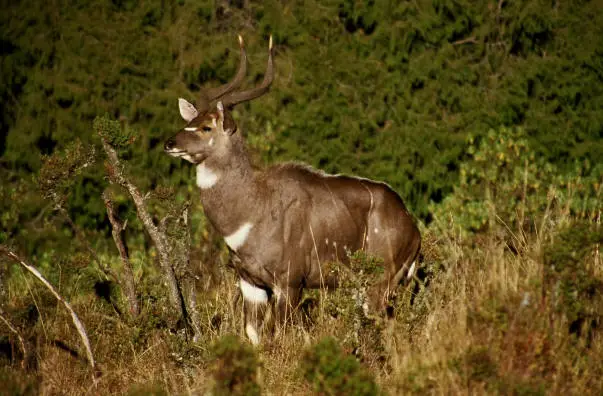
Mountain Nyala’s homeland is the cold mountain pastures in Ethiopia that are so wide and isolated that this species was discovered only in 1908. In appearance, these animals are very similar to the Greater Kudu, and were therefore sometimes called the “Medium Kudu”. Just like Kudus, Mountain Nyala males have prominent horns, and a rather
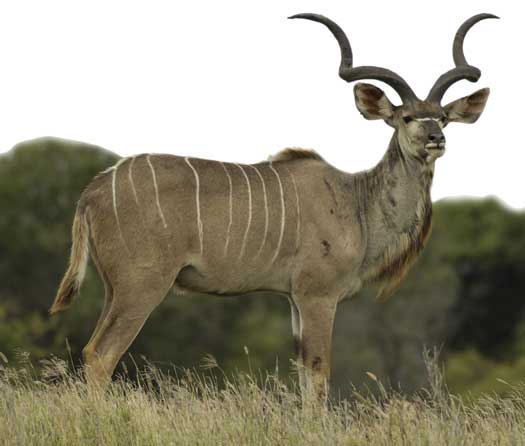
The Greater Kudu is a very strong, but skittish animal that spends most of its time in a shelter. They’re one of the biggest antelopes of Africa, reaching up to 1,5 meter height and 2,5 m length. These massive animals have benefited from human populations moving to new areas in Africa, as many areas that