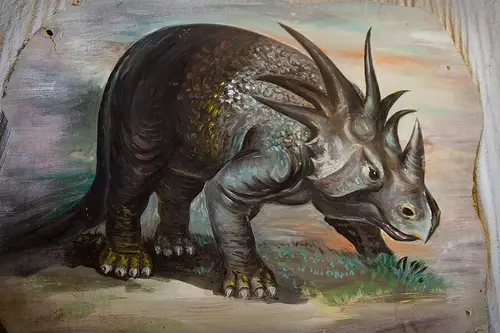
The Styracosaurus (or “spiked lizard” in English) is a herbivorous ceratopsian dinosaur. It lived during the Cretaceous Period’s Campanian stage which was about 76.5 to 75 million years ago. It was scientifically named and described in 1913 by Lawrence Lamb. A painting of the Styracosaurus The Styracosaurus was a large dinosaur. It was 5.5 metres
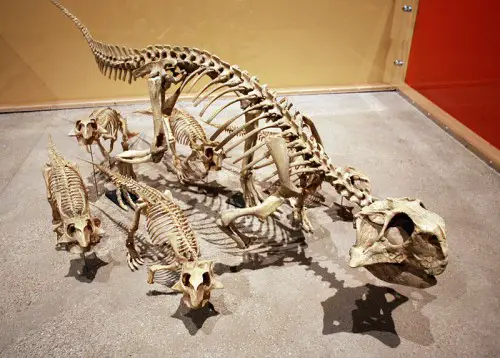
The Psittacosaurus (or ‘parrot lizard’ in English) is a dinosaur that dates from the Early Cretaceous Period which was about 130 – 100 million years ago. It was found in what is now known as Asia, and is the dinosaur genus with the most member species. There are actually 9 – 11 species that are
The Edmontosaurus is a crestless duck-billed dinosaur which was found in western North America. The fossils found were dated back to the Cretaceous Period, during the late Campanian stage to the end of the Maastrichtian stage which was between 73 to 65.5 million years ago. They were one of the last non-avian dinosaurs before they
The Daspletosaurus (or “frightful lizard’ in English) is a the of tyrannosaurid theropoid dinosaur. It lived in the western region of North America during the Late Cretaceous Period which was around 77 – 74 million years ago. It was originally found in Alberta, although some potential speciments were also found in Montana. They were first
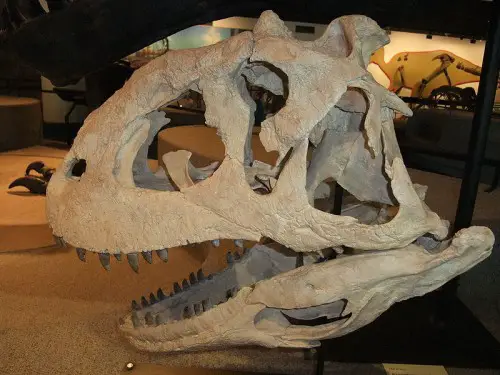
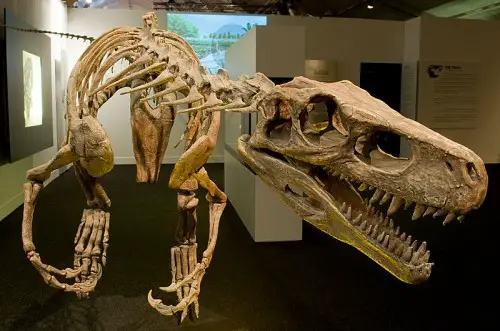
The Majungasaurus or “Mahajanga lizard” is a genus of abelisaurid theropod dinosaurs that lived in modern-day Madagascar. It lived during the end of the Cretaceous Period, which was about 70 – 65 million years ago. Only 1 species of Majungasaurus’ have been identified thus far. The skull of a Majungasaurus The Majungasaurus was a bipedal
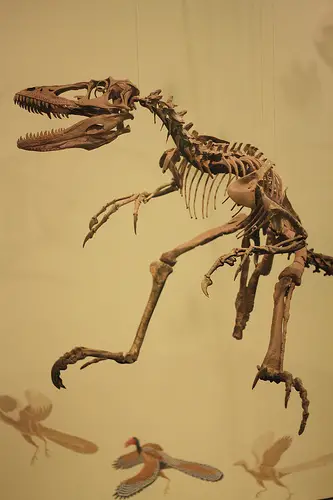
The Deinonychus – or ‘Terrible Claw’ in English – was a carnivorous dromaeosaurid dinosaur. These is only 1 described species. This dinosaur lived during the early Cretaceous Period during the mid-Aptian to early Albian stages, which was about 115 – 108 million years ago. Its fossils have been found in Oklahoma, Wyoming, and Montana in
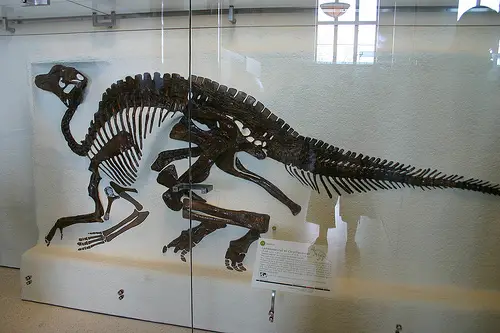
Lambeosaurus, or “Lambe’s lizard” in plain English, is a genus of hadrosaurid dinosaur. This dinosaur lived in the Late Cretaceous Period in modern day North America, around 75 – 76 million years ago. This dinosaur is well known for its distinctive hollow cranial crest which sort of looks like a hatchet. The skeleton of a
The Massospondylus was a prosauropod dinosaur from the Early Jurassic Period. It lived during the Hettangian to the Pliensbachian ages, which was about 200 – 183 million years ago. It was first scientifically described in 1854 by Sir Richard Owen from remains that were discovered in South Africa. It is one of the first dinosaurs
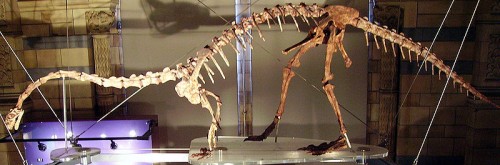
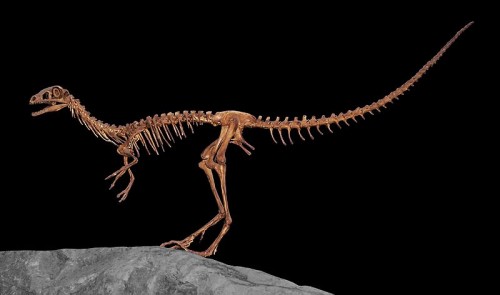
The Compsognathus was a small therapod dinosaur that was the size of a turkey. It lived in the early Tithonian stage of the late Jurassic Period, which was about 150 million years ago. The Compsognathus lived in what is now known as Europe. Fossils have found 2 well-preserved fossils in Germany and France. Skeleton of
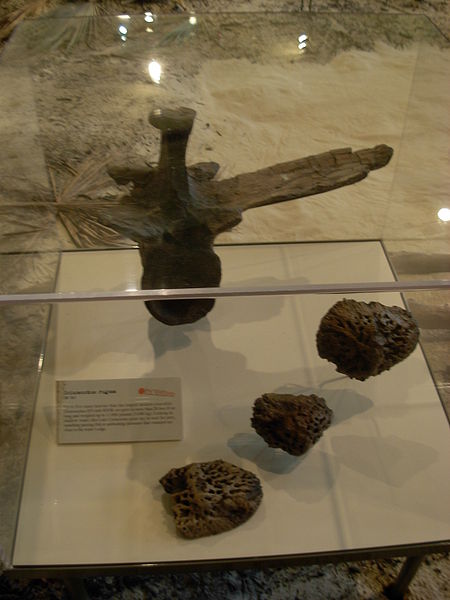
One of the extinct relatives of alligators are the Deinosuchus. The Deinosuchus lived during he Late Cretaceous period, which was about 80 to 73 million years ago. Its name is derived from the Greek words, “terrible crocodile”. Incomplete Deinosuchus The remains of the Deinosuchus was first found in the 1850s in North Carolina, USA. However,
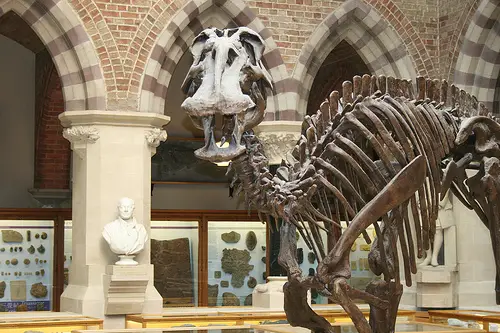
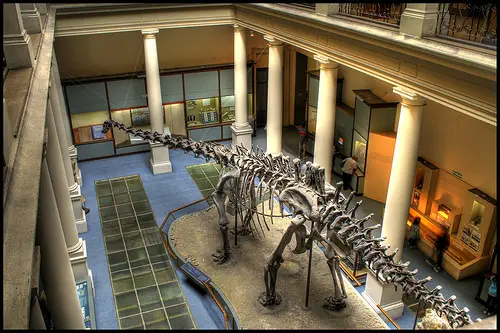
The Diplodocus is a genus of diplodocid sauropod dinosaurs. These were first discovered by S. W. Williston in 1877. The generic name came from Othniel Charles Marsh who first scientifically described this fossil as Diplodocus which means “double beam” in Neo-Latin. This is in reference to its distinguishing features, which is its double-beamed chevron bones
The Herrerasaurus or “Herrera’s lizard” was named after the Rancher who discovered the first ever fossil found of this animal. It is thought to be one of the earliest dinosaurs, because carbon dating has dated it back to the early Carnian age, which is the late Triassic Period which was around 228 million years ago.
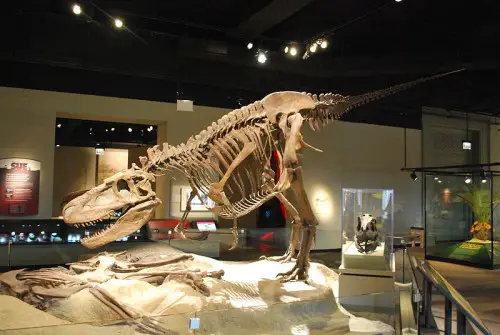
Gorgosaurus (or ‘fierce lizard’ in English) is a tyrannosaurid theropod dinosaur that lived in western North America during the Late Cretaceous Period between 76.5 – 75 million years ago. Fossil remains of the Gorgosaurus have been found in Alberta, Canada, and possibly Montana, USA. The Gorgosaurus skeleton Just like most known tyrannosaurids, the Gorgosaurus was
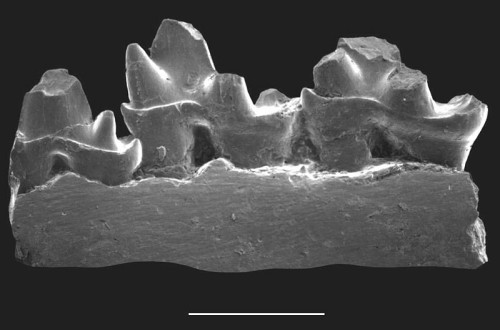
The Ambondro mahabo is a mammal that lived during the middle Jurassic period (167 million years ago) in Madagascar. This species is known only from a fragmentary lower jaw skeleton that was first described by a team led by John Flynn in Nature, which was published in 1999. Its name is derived from Ambondromahabo, which
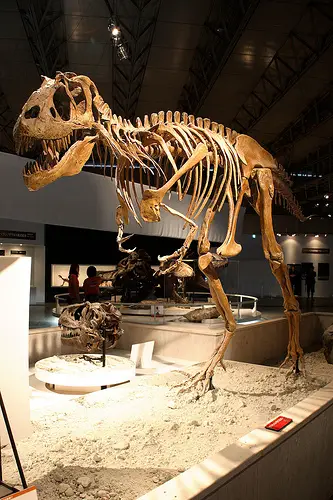
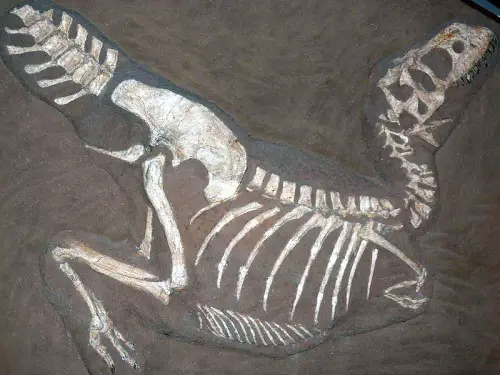
The Tarbosaurus (or “terrifying lizard”) is a genus of tyrannosaurid theropod dinosaurs that were lived in Asia at the end of the Late Cretaceous Period, which was about 70 to 65 million years ago. The Tarbosaurus and Tyrannosaurus are considered as very close relatives, if not possibly the same. The closest relative to this dinosaur