Siberian Chipmunk
This tiny creature is the only member of the chipmunk genus to be found in places outside North America. Their natural habitat is Northern Asia, they live in forests with a bushy understory. Despite being good climbers, they prefer life on the ground.
It’s tiny in size – the body is only about 15cm long. Their appearance resembles a mix of a prairie dog and a rat, the Siberian Chipmunk has light fur with white stripes and as many other rodent, large pouches behind cheeks, to collect food.
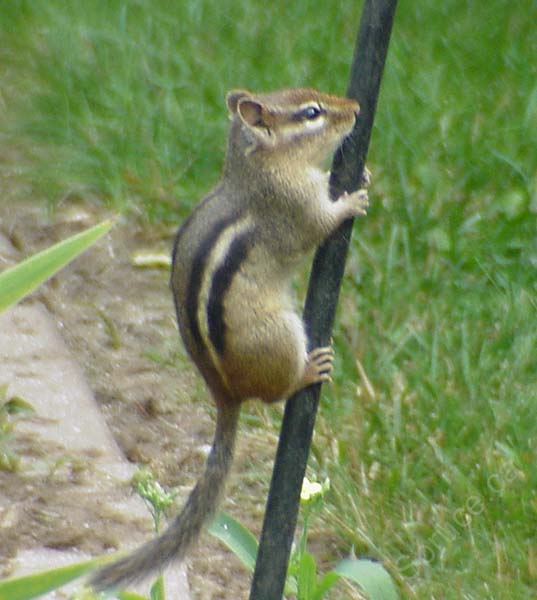
Their long nails allow them to climb almost anything
Siberian Chipmunks are active during the day, when most of the predators are asleep. Most of the time is spent feeding off mushrooms, nuts, tree buds, vegetables and other things. No true defense against predators make them a very susceptible prey for birds, snakes and other predators.
These chipmunks also build burrows, just like other members of the genus. There they spend their night, out of the reach of most predators and it also serves as a storing place for food. These homes protect them from birds and most mammal predators, but snakes can still sneak into the burrow in the night.
Siberian Chipmunks are rather solitary creatures and each of them has individual territory and burrow. They do, however, spend the winter in pairs and when the spring comes, mating begins. After mating the Siberian Chipmunks resume their solitary lives until the next winter. Gestation usually last for around 40 days and four to ten chipmunks are born.

Siberian Chipmunks have large pockets behind their cheeks from birth
Being very low in the food chain, Siberian Chipmunk high reproduction quantities are essential for survival of the species – their maximum lifespan is about 10 years, though most of them are hunted by it’s natural predators. Humans haven’t caused any harm to the number of Siberian Chipmunks and as of now, it’s listed as “Least Concern” in the IUCN Red List of endangered species.
These critters may seem harmless, but in fact they’re deceptively dangerous. They’re a potential carrier of multiple infectious diseases, such as rabies. Maximum precaution should be used when interacting with a wild Siberian Chipmunk – although they don’t pose great physical risk, one bite can infect a person with rabies.
Siberian Chipmunks are also sometimes taken as pets and their behavior in captivity is similar to that of the hamster. Their life in captivity is usually six to ten years and they tend to be more playful and active than other critter pets, and they also need more space for climbing and running. Many people see them as adorable creatures and buy them as pets for their children.


About Author

love the chimpunk
do you think thay should put more chipmunk photos
Is it called a “chimpunk”? I didn’t want to dispute this, because it might be – but, judging from the reference to “chipmunk” throughout the article, I’m reckoning on a typo in the title.
Please feel free to delete this comment if you have to edit. I have only just discovered this website, and I feel a bit of a heel making my first comment a criticism. Thank you, all the same, for some very interesting articles, and some great photos. I have subscribed, and I’m sure to be back.
The title has been corrected, didn’t notice the mistake at all, thanks for pointing it out :)
I’m glad you like our site and thanks for subscribing. Some more interesting articles are coming right up!
u,… do u know who is the author of this article and when he/she posted it??
i need it for my school’s bibliography thingie
I like the chipmunks but you should put more info
and how much to pay for chipmunk..?
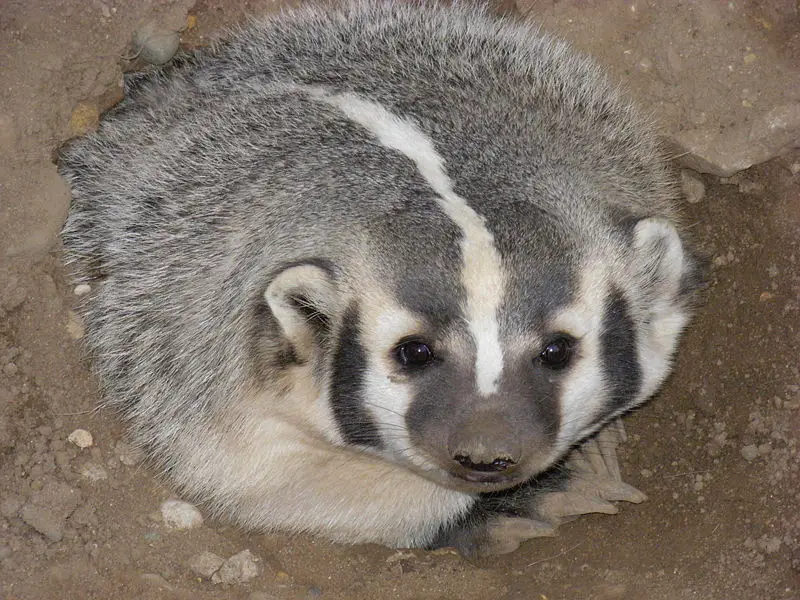
Photo number on in the article is an Eastern Chipmunk from the USA, not a siberian. Photo number 2 is not even a chipmunk, it is a hampster! Get your articles right before you publish!
Here it states that Siberian Chipmunks can carry many infectious diseases such as Rabies! .. While researching The Eastern Chipmunk from the USA, located in NH. It is mentioned that they don’t carry hardly ANY diseases and many people actually make them as pets. although they can easily get out of control if not monitored. But my point is, I have learned that they do NOT carry Rabies here because they as well as grey squirrels are usually never bitten by another rabid animal, such as bats, raccoons, foxes etc… Can anyone comment on this ? Thanks!